
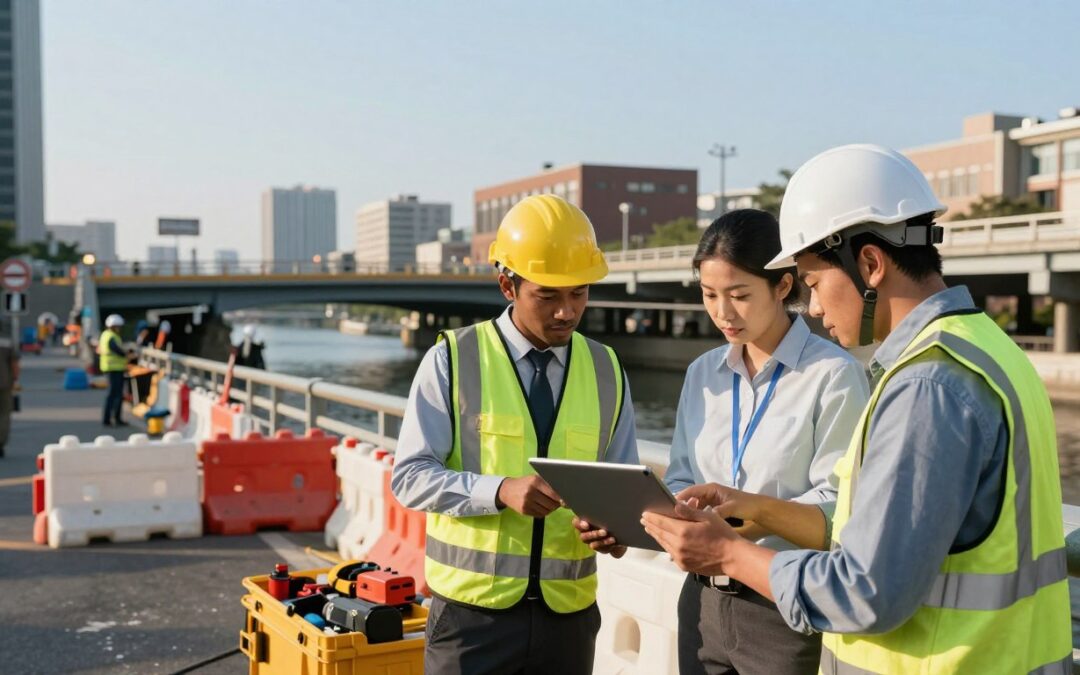
Can we make urban infrastructure management better without stopping traffic? I work on urban bridge maintenance with new ideas. I see how hard it is to get many work crews and contractors to work together.
It’s tough to keep traffic moving while fixing things. We also have to keep the public happy and safe. Using urban bridge closure scheduling platforms helps a lot. They make talking and planning easier and more efficient.
With modern scheduling solutions, we can work better together. We make decisions based on real data. This way, we can lessen the trouble closures cause for drivers.
Key Takeaways
- Efficient urban infrastructure management is key to less trouble.
- Urban bridge closure scheduling platforms help teams work together better.
- Tools for real-time work improve talking and cut down on delays.
- Decisions based on data help pick the best times for closures. This reduces traffic problems.
- New ways to schedule can really make maintenance work better.
The Challenges of Urban Bridge Maintenance Coordination
Maintaining urban bridges is tough. It involves managing many work crews and keeping everyone safe. Good coordination is key to avoid problems and keep everyone safe.
Balancing Traffic Flow and Essential Repairs
One big challenge is balancing traffic flow with essential repairs. Urban bridges are vital for heavy traffic. Closing them for repairs can cause big problems. Using advanced bridge maintenance software helps plan repairs when it’s less busy or manage traffic better.
Coordinating Multiple Work Crews and Contractors
Urban bridge maintenance needs coordinating multiple work crews and contractors. This means setting up schedules and talking clearly to make sure everyone knows their job and when to do it. Effective construction project scheduling solutions make this easier, cutting down on delays and boosting efficiency.
Managing Public Expectations and Safety Requirements
Keeping public expectations and safety in check is also vital. People want little to no disruption, and safety rules must be followed. Important steps include:
- Telling the public about when maintenance will happen and what to expect.
- Putting in place safety steps to protect workers and the public.
- Using tech for updates and monitoring in.
By using these methods, urban bridge maintenance can be done better and safer.
Leveraging Urban Bridge Closure Scheduling Platforms for Efficiency
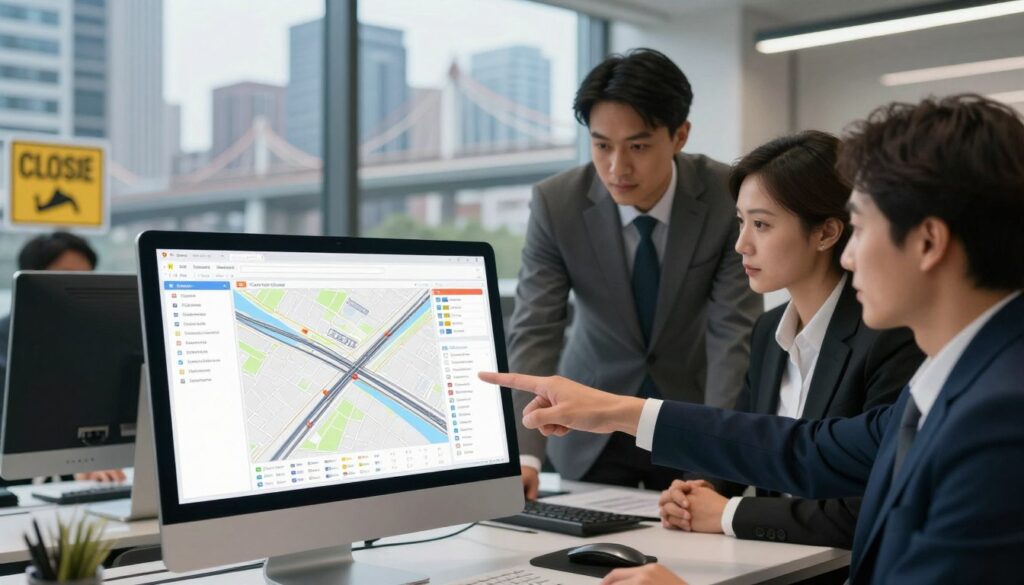
Cities are now using advanced urban bridge closure scheduling platforms to improve maintenance. These platforms change how cities manage their infrastructure. They help coordinate work crews and contractors better.
Key Features of Modern Scheduling Solutions
Modern urban bridge closure scheduling platforms have many features to boost efficiency. They include real-time collaboration tools, automated scheduling, and full project management. These features help cities simplify bridge maintenance.
One big advantage of these platforms is their ability to improve communication. They offer real-time collaboration and communication tools. This keeps everyone informed and on the same page during projects.
Real-Time Collaboration and Communication Tools
Good communication is key for successful bridge maintenance projects. Real-time collaboration tools help teams work together better. This ensures projects run smoothly and on time.
By using these tools, cities can manage their maintenance projects well. For example, civil engineering project management platforms improve coordination between teams.
Data-Driven Decision Making for Optimal Closure Windows
Data-driven decision-making is central to modern urban bridge closure platforms. They use traffic pattern analysis and predictive modeling to find the best closure times. This minimizes traffic impact and allows for efficient repairs.
Traffic Pattern Analysis and Predictive Modeling
Advanced transportation planning software helps cities understand traffic patterns. This info is key for planning bridge maintenance. It lets cities schedule closures when traffic is low, reducing congestion.
Weather Integration and Contingency Planning
Modern platforms also use weather forecasts to plan for disruptions. Having backup plans ready helps cities deal with bad weather. This keeps maintenance projects on track.
Implementation Success Stories from American Cities
Many American cities have seen big improvements by using these platforms. Their success stories show how these platforms can change infrastructure management. They make it more efficient and less of a hassle for the public.
By adopting these advanced solutions, cities can manage their infrastructure better. They’ll see less traffic disruption and better maintenance efficiency.
Conclusion: Advancing Urban Infrastructure Management Through Technology
Urban bridge closure scheduling platforms are a big step forward in managing city infrastructure. They use Urban Information Modeling (UIM) and bridge maintenance software. This helps cities keep their bridges in better shape, making traffic flow smoother and keeping people safer.
Good construction project scheduling helps cities work better with different teams. This makes maintenance faster and less of a hassle. Platforms like those on under bridge platforms make it easier and safer to do maintenance work. This means less disruption to traffic and fewer road closures.
As technology keeps getting better, we’ll see even more new ideas in managing city infrastructure. By using these tools, cities can make their environments better, more efficient, and safer for everyone.
Recent Comments