
Our infrastructure is getting older, making bridge lifecycle management more urgent. The average age of bridges in the U.S. is rising. This highlights the need for thorough maintenance plans. But, how can we make civil engineering services better for our bridges’ longevity and safety?
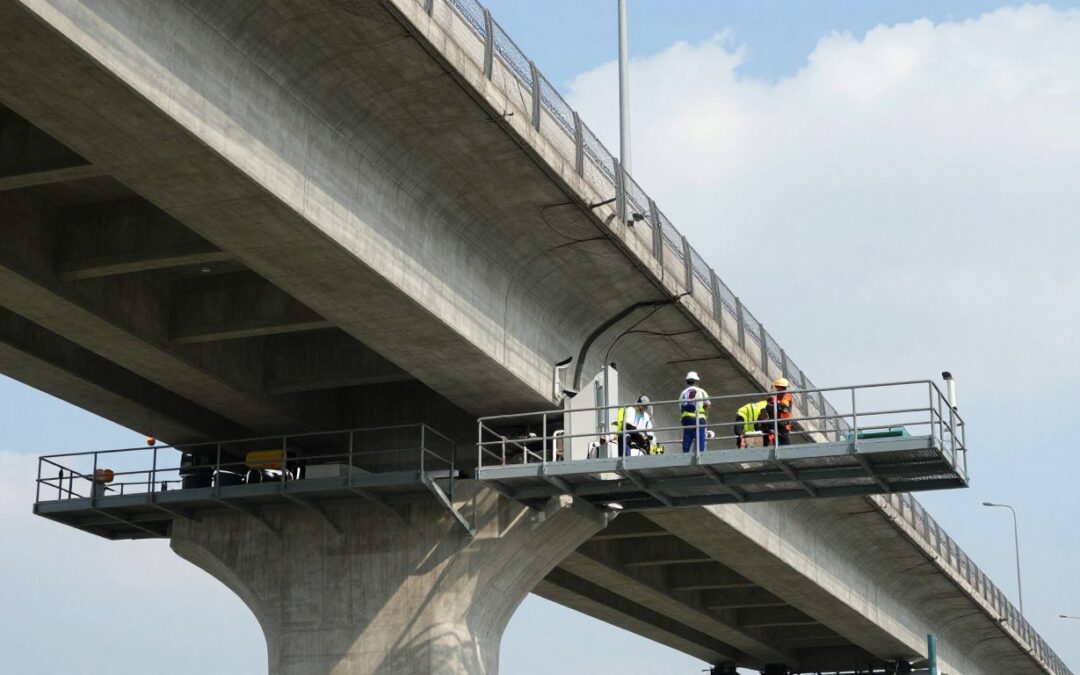
Innovative solutions, like under-bridge inspection platforms, offer a safe and efficient way to inspect and maintain bridges. These technologies help make bridge lifecycle contracts more efficient. This ensures our bridges stay safe and reliable.
Good bridge lifecycle management covers planning, maintenance, and repair. A proactive approach can lower repair costs and keep bridges safe for longer. For more on managing assets, see this guide on Asset Lifecycle Management.
Key Takeaways
- Under-bridge inspection platforms improve safety and efficiency during inspections and maintenance.
- Effective bridge lifecycle management involves proactive maintenance and repair strategies.
- Civil engineering services play a critical role in ensuring the longevity and safety of bridges.
- Leveraging innovative technologies can optimize bridge lifecycle contracts.
- Comprehensive asset lifecycle management is essential for smarter infrastructure.
Evolution of Bridge Management Services
The way we manage bridges has changed a lot over time. New technology and different needs have led to better ways to keep bridges safe and strong. Now, bridge management services use many strategies to make sure bridges last a long time.
Traditional Bridge Maintenance Approaches
Old methods of bridge care included regular checks and fixes done by hand. This method was slow and not always effective. It depended a lot on the skills of the people doing the work. The Federal Highway Administration said these old ways had big limits in getting and using data.
Shift Toward More Complete Management
Now, we focus on managing a bridge’s whole life, from start to end. This new way includes planning ahead, watching over the bridge, and fixing problems early. New tech helps us manage bridges better and more efficiently.
Integration of Digital Asset Management Software
Using digital tools has changed bridge care a lot. This software helps us keep track of bridge health and maintenance. As Under Bridge Platforms points out, it lets us see changes, guess future problems, and plan better for upkeep.
| Aspect | Traditional Approach | Modern Approach |
|---|---|---|
| Inspection Method | Manual Inspections | Advanced Technologies (Drones, Sensors) |
| Data Management | Paper-based Records | Digital Asset Management Software |
| Maintenance Planning | Reactive Maintenance | Proactive Lifecycle Management |
By using these new methods, we can make bridge care safer, more efficient, and cheaper. For more on picking the right under-bridge platform, check out Under Bridge Platforms.
Bridge Lifecycle Contracts Under Bridge Platforms: Innovations and Trends
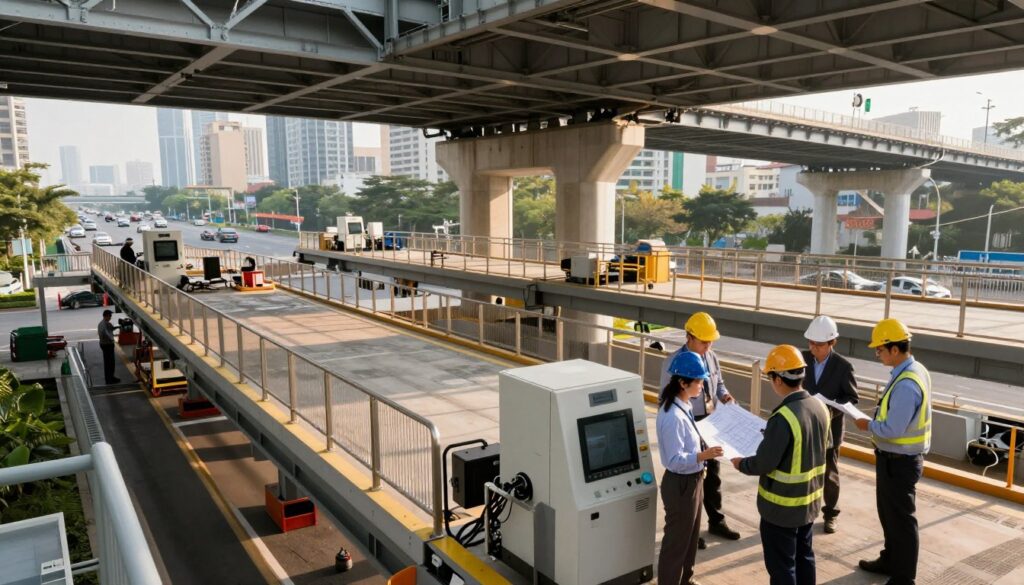
Looking ahead, new technologies in under-bridge platforms are leading the way. These advancements are changing how we manage bridges, making maintenance better and more efficient.
Advanced Under-Bridge Platform Technologies
New technologies like drones and sensors are changing bridge inspections. They allow for real-time monitoring, cutting down on physical checks and improving safety. Experts say these technologies will grow, making maintenance cheaper and more effective. Under-bridge platforms are getting smarter, using AI and IoT to spot and prevent problems early.
Cost-Effective Maintenance Strategies
Keeping bridges in good shape without breaking the bank is key. Using data and predictive maintenance can help. A report by DataIntelo shows how important it is to use lifecycle management platforms. Regular checks, quick fixes, and strong materials are all part of the plan.
Regulatory Considerations for U.S. Infrastructure Projects
Rules and regulations are vital for U.S. bridge projects. Following federal and state laws is a must for safety and to avoid legal trouble. For example, the Fixing America’s Surface Transportation (FAST) Act affects how we manage bridges. Knowing and following these rules is key to success.
Sustainable Infrastructure Development Solutions
Building bridges that are good for the planet is now a top priority. Using recycled materials and low-carbon concrete can lessen environmental harm. Adding green features to bridges can also help nature and cool cities down. Experts say going green is essential for infrastructure’s future.
In summary, the future of bridge contracts is all about new tech, saving money, following rules, and being green. As the field evolves, keeping up with trends and tech is critical. For more details, check out MarketIntelo for reports on bridge management.
Conclusion
Bridge lifecycle contracts are vital for keeping infrastructure safe and lasting long. They use digital twins and advanced technologies. This helps in better maintenance and repairs.
New ways to manage bridges are emerging. Under-bridge platforms are a big part of these new methods. They make maintenance more efficient and cheaper.
Using digital asset management software and other new tech is changing how we manage bridges. As the field grows, it’s key to focus on good bridge lifecycle contracts. These should include the latest innovations.
This focus ensures our infrastructure stays safe and strong. It supports growth and sustainable development. Using digital twins and other tech is a big step towards a better future.
FAQ
What are bridge lifecycle contracts, and why are they important?
Bridge lifecycle contracts are detailed agreements that cover a bridge’s entire life. They ensure bridges are safe and last long. They also help save on maintenance costs and reduce traffic disruptions.
How do under-bridge platforms contribute to bridge maintenance and repair?
Under-bridge platforms make it easier and safer to work on bridges. They are key to bridge lifecycle contracts. They help lower costs and reduce risks in maintenance.
What is the role of digital asset management software in modern bridge management?
Digital asset management software is vital for managing bridges today. It helps collect, analyze, and show data on bridge condition and maintenance. This data guides maintenance decisions and improves management.
What are some of the key innovations and trends in bridge lifecycle contracts?
New technologies and trends are changing bridge lifecycle contracts. These include advanced under-bridge platforms and cost-effective maintenance. Sustainable infrastructure solutions are also being integrated. These advancements make bridge management more efficient and sustainable.
How do regulatory considerations impact U.S. infrastructure projects, including bridge lifecycle contracts?
Regulations are very important for U.S. infrastructure projects, like bridge lifecycle contracts. It’s key to know and follow federal and state rules. These rules should be part of bridge management plans.
What are some best practices for infrastructure project planning and bridge management?
Good practices for planning and managing infrastructure include a holistic approach. Use digital asset management software and sustainable solutions. These steps help improve bridge performance, cut costs, and ensure long-term sustainability.
How can construction procurement strategies impact the success of bridge lifecycle contracts?
The way construction is procured can greatly affect bridge lifecycle contracts. It affects quality, cost, and timing. Good procurement strategies ensure contracts are completed on time, within budget, and meet quality standards.
What is the significance of asset management software in bridge lifecycle management?
Asset management software is essential for managing bridges. It helps manage data, which guides maintenance and improves management. This software is key to effective bridge lifecycle management.
Recent Comments